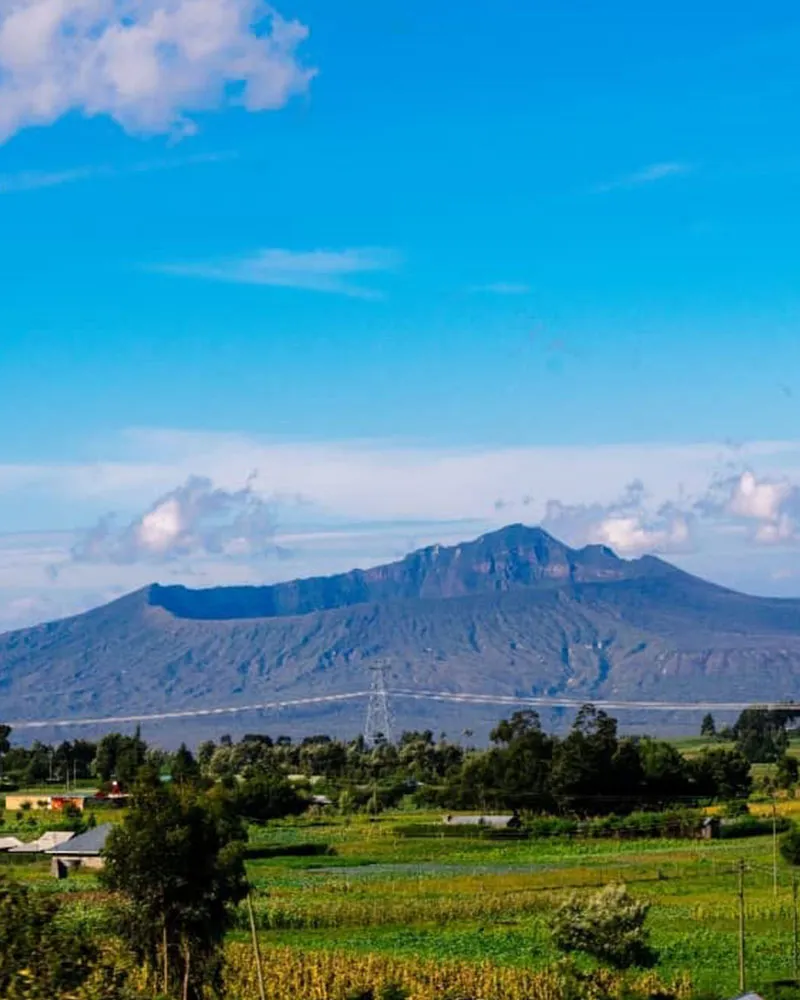
One of the most unique yet slightly challenging things to do in Naivasha is hiking Mount Longonot with family or friends. As you drop down the escarpment from Nairobi on the Nakuru highway, a jagged volcanic mountain rises from the Rift Valley floor and commands the horizon. That is Mount Longonot, and it is staring you down, daring you to come closer.
When you first spot Mt. Longonot, from a matatu or car window, you think, “That doesn’t look so bad.” Forty minutes into the actual climb, lungs burning, boots caked in volcanic dust. That’s what happened to me and I revised my assessment. But the moment I crested the rim and looked down into that vast green caldera? Every burning step was absolutely worth it. The Mount Longonot hike is underway.
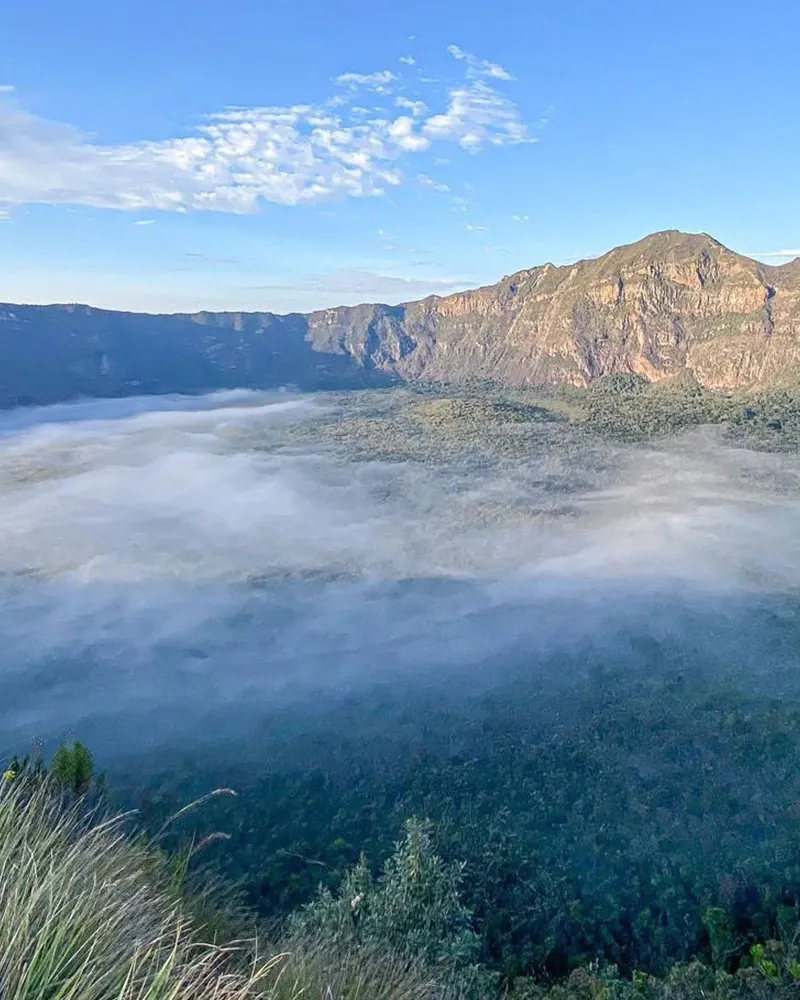
This is Kenya’s most accessible volcano hike, only 75 km from Nairobi, doable in a single day, and genuinely life-changing. Whether you are a first-timer, a fitness fanatic, or a family with older kids, here is everything you need to know about hiking mount Longonot in Naivasha.
Why Hiking Mount Longonot Naivasha Should Be Your Next Weekend Activity in Naivasha
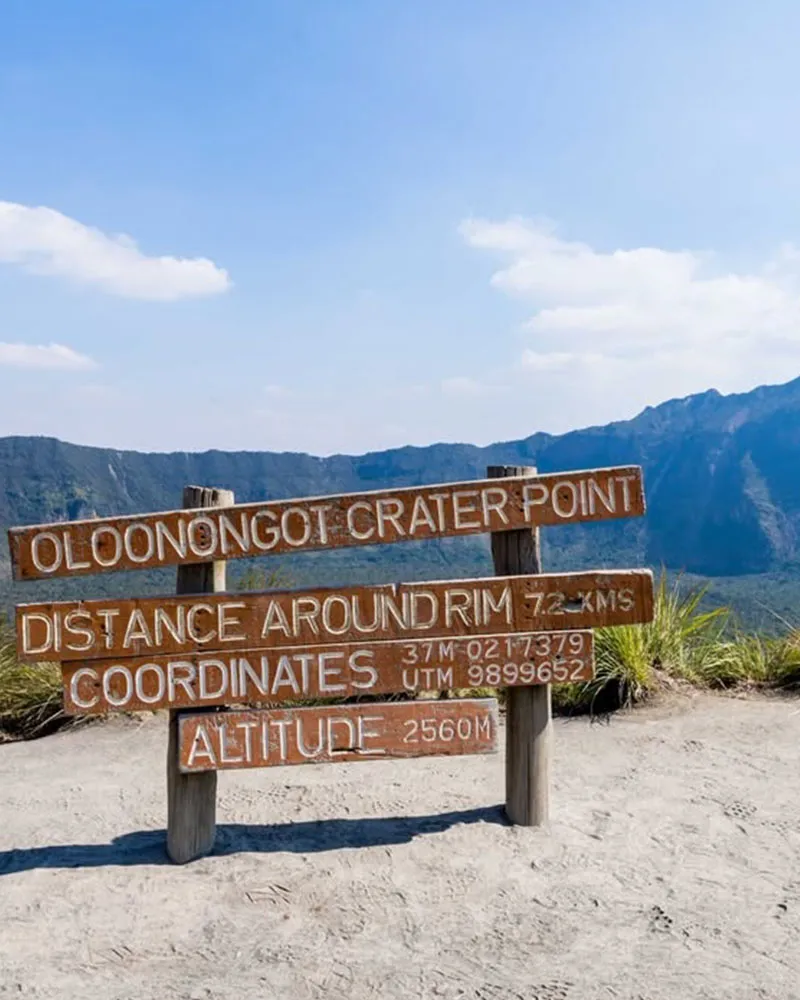
Mount Longonot is a dormant stratovolcano rising to 2,776 metres above sea level in Kenya’s Great Rift Valley. Its Maasai name, Oloonong’ot, means ‘mountains of many spurs’, one look at those sharp ridges and you understand why. The mountain last erupted in the 1860s and now shelters a dense, geothermal-fed forest inside its caldera, creating a genuine ‘lost world’ ecosystem.
What makes hiking Mount Longonot special is the combination: you get 360° panoramic views of Lake Naivasha, Hell’s Gate, Mount Suswa, and the Aberdare Ranges, all on a hike you can complete by early afternoon and still be back in Nairobi for dinner.
Mount Longonot at a Glance
As you make plans to hike Mount Longonot, here are a few things that are good to know; including these things about Mt. Longonot: Location, how long it takes to climb Longonot, distance from Nairobi, difficulty level and more.
| Feature | Details |
| Location | Mt Longonot National Park, Naivasha, Rift Valley |
| Distance from Nairobi | ~75 km (approx. 1.5 hrs drive) |
| Summit Elevation | 2,776 m above sea level |
| Trail to Rim (return) | 6.2 km | 1.5–2 hrs |
| Full Crater Loop | 13.5 km | 5–7 hrs total |
| Difficulty | Moderate to Challenging |
| Park Hours | 6:00 AM – 6:00 PM daily |
| Entry Fee (Citizens) | KES 500 (updated Oct 2025) |
| Entry Fee (Non-residents) | USD 50 |
| Managed by | Kenya Wildlife Service (KWS) |
Getting to Mount Longonot
Getting to Mt Longonot National Park is straightforward from Nairobi. You have three practical options:
Self-Drive (Recommended)
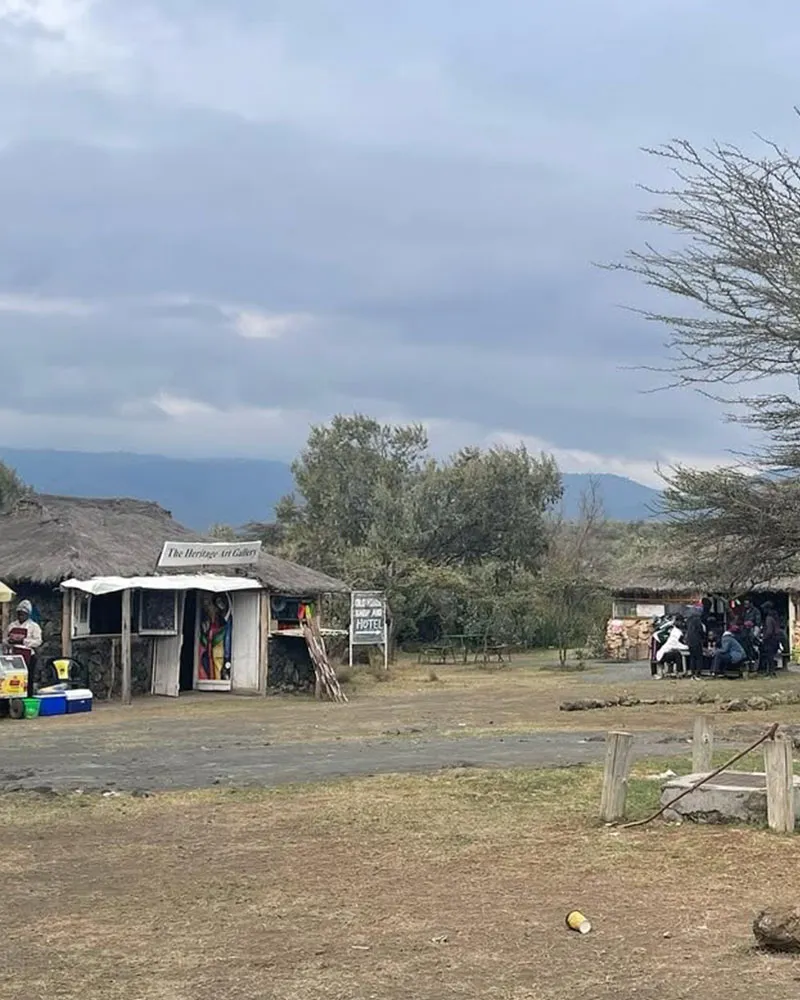
Take the Nairobi – Nakuru A104 highway toward Naivasha town, and branch of towards Longonot town. Another option is heading directly to Mai Mahiu by descending the escarpment, and drive towards the Longonot Junction signpost and turn left. The tarmac road takes you to the park gate in about 3 km. Total drive time from Nairobi: approximately 1 hour 30 minutes. Parking is available and secure at the gate.
Public Transport (Budget Option)
Board a matatu from Nairobi’s Railway Station or Country Bus Stage headed to Naivasha via Mai Mahiu (KES 200–300). Alight at Longonot Junction, then take a boda boda (motorcycle taxi) to the gate for KES 100–200. This is the most budget-friendly approach and very popular among local hikers. Check out this guide on how to get to Naivasha from Nairobi by Matatu.
Organised Day Trips
Several Nairobi-based tour operators offer all-inclusive Longonot day trips covering transport, park entry, and a guide. Prices typically start around KES 3,500 – 5,000 per person depending on group size. Good for first-timers or those who prefer a hassle-free experience.
What is the entrance fee for Mt. Longonot in 2026? – hiking Mount Longonot Entrance Fees (Updated 2025/2026)
KWS revised its fees effective October 2025, make sure you are not using old information from other sites. Payment is cashless only through KWSPay on eCitizen via M-Pesa, Visa, or Mastercard. Below, find the KWS Mount Longonot entrance fee KSH and USD.
| Visitor Category | Adult | Child (5–18 yrs) |
| Kenyan Citizen | KES 500 | KES 250 |
| East African Resident | KES 675 | KES 340 |
| Non-Resident (International) | USD 50 | USD 25 |
| Children under 5 | Free | Free |
| Vehicle (private car) | KES 300 | — |
| Camping per person/night | KES 500 | — |
Tip: Pay online before you arrive to avoid any issues at the gate. Keep your receipt on your phone.
Hiking Mount Longonot Explained: Phase by Phase
The Mount Longonot hike is really two hikes in one. You can stop at the rim for a rewarding shorter experience, or push on around the full crater loop for the complete adventure. Personally, I have done both and each has its unique experience.
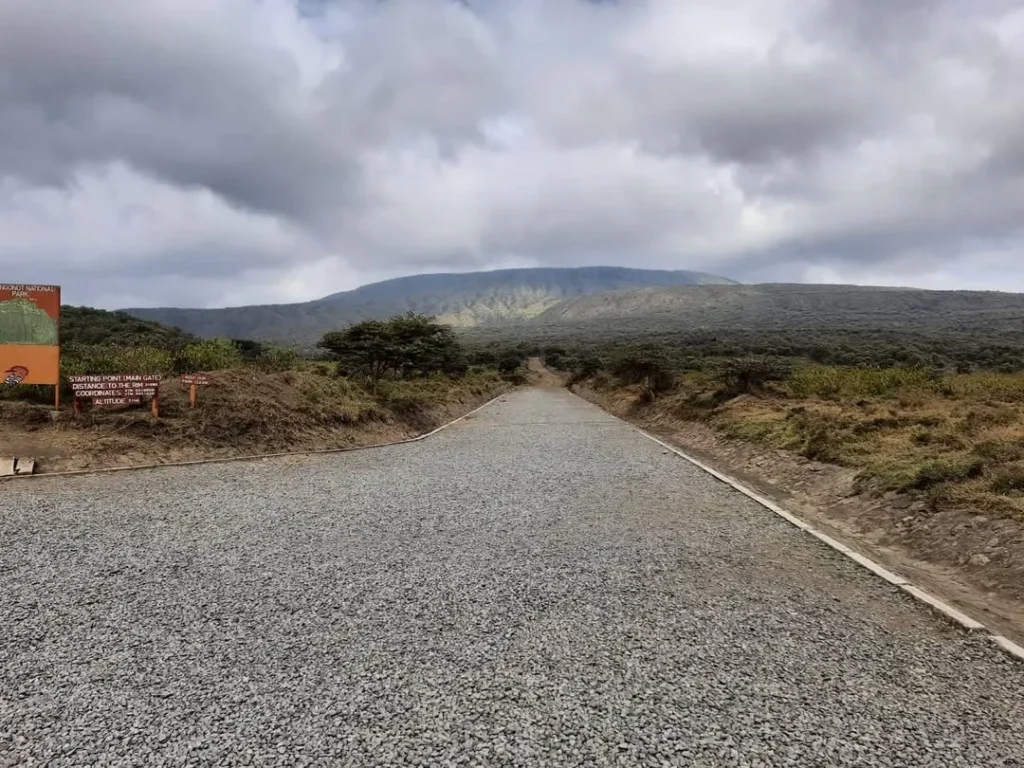
Mount Longonot hike – Phase 1: The Climb to the Rim (3.1 km, Approx. 1.5 hrs)
The trail starts just behind the information centre at the gate. The first kilometre is a wide, relatively flat path through Whistling Thorn acacia bush and is easy and pleasant. Then the mountain reveals its intentions. The trail kicks upward steeply and barely relents.
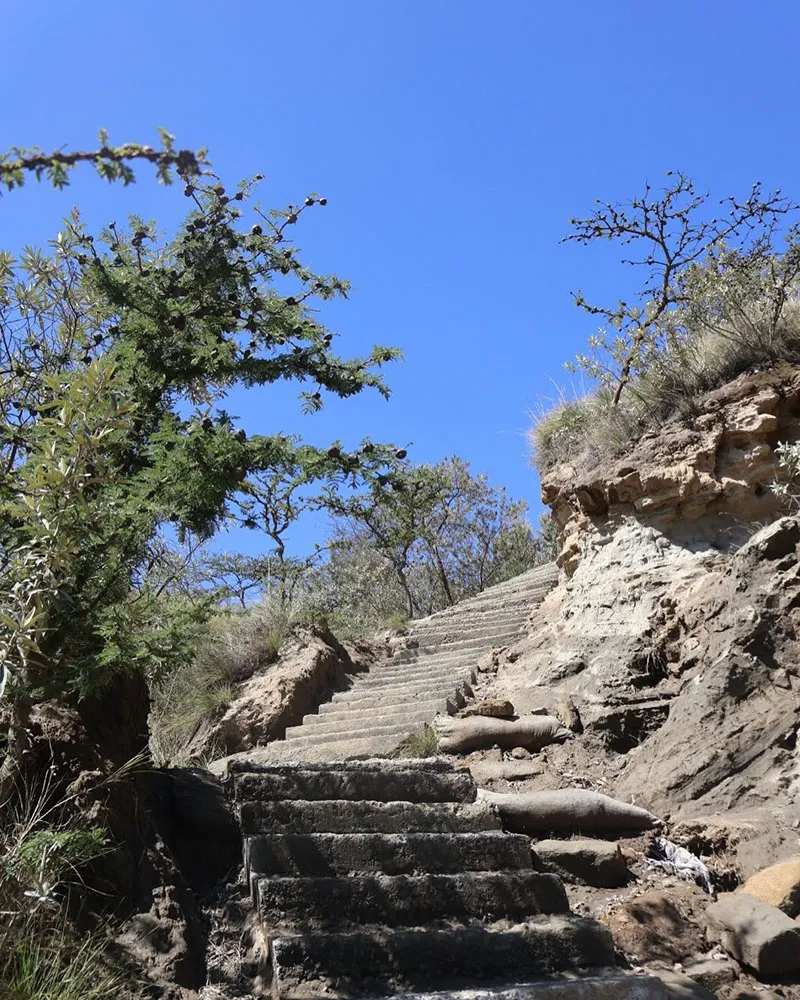
At around the 2 km mark, you reach a false summit with a shaded gazebo and it’s a critical rest stop before the final, punishing push ( The first time arriving here, I was deceived thinking it was the summit). Do not skip this rest.
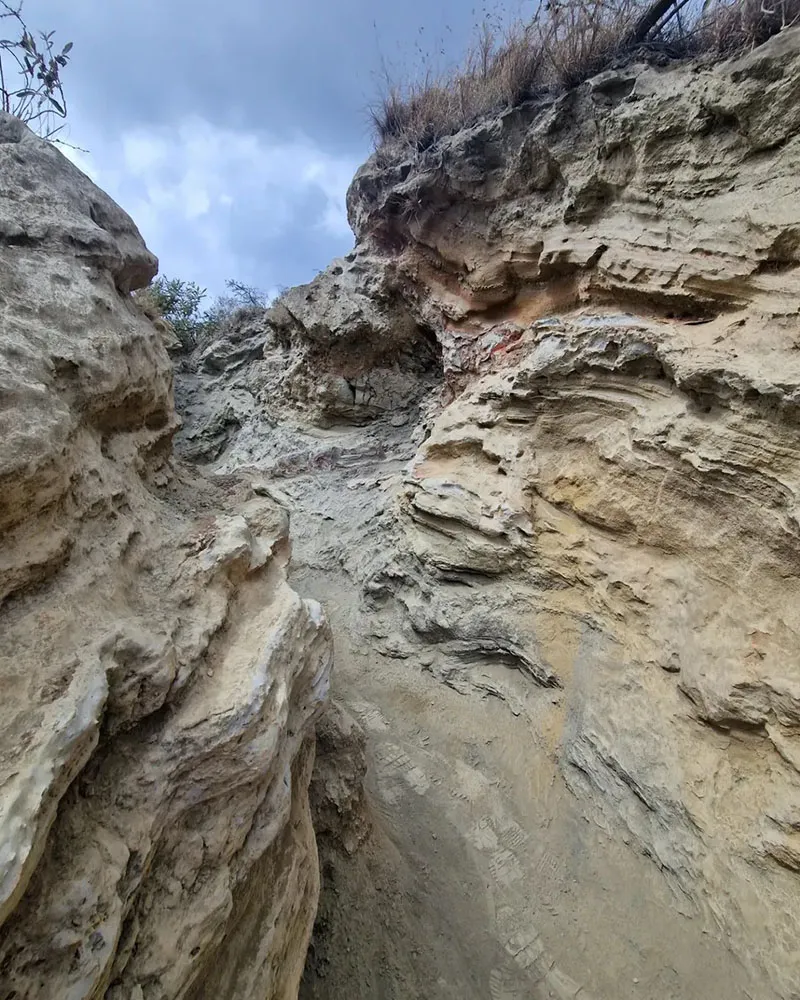
The last stretch to the rim is the steepest section: loose volcanic ash and gravel make every step feel earned. But when you crest the top and the ground drops away to reveal that vast green caldera? That is your reward. The crater measures approximately 8 km across and its floor holds a dense, impenetrable rainforest.
Mount Longonot hike – Phase 2: The Crater Rim Loop (7.2 km, Approx. 3 hrs)
If you still have energy, and you should push yourself to find out, the crater rim loop is where Longonot truly shines. The trail goes around the full circumference of the volcano, with sharp climbs and descents.
The highest point at 2,776 m offers the definitive Longonot panorama: Lake Naivasha shimmering to the north, the Rift Valley escarpment to the east, and the endless horizon beyond. However, this is normally the most challenging part of the hike.
Which direction to walk the loop? Going clockwise means a gentler initial ascent with a tougher descent; counter-clockwise tackles the hardest section first. Most experienced hikers recommend counter-clockwise to get the challenge done while your legs are fresh.
Do You Need a Guide for the Mount Longonot hike?
The trail is clearly marked and you can absolutely hike it independently. That said, a KWS-approved guide ( that cost about KES 2,500 – 4,000 for the group) adds genuine value: they know the geology, the plants, where to spot wildlife, and will pace your group sensibly. Strongly recommended for first-timers, solo hikers, or families with children. So it’s purely on you, and I hope that answers if climbing Mount Longonot hike guide is needed or not.
What to Pack – Your Mount Longonot hike Essentials
Now let’s touch on what to carry when hiking Mount Longonot. Which is mostly light snacks (in a reusable container ), good comfortable footwear and
- Water: Minimum 2 – 3 litres per person. There is NO water on the mountain. Note: single-use plastic bottles are banned so bring a reusable bottle or buy one at the gate for about KES 100.
- Footwear: Proper hiking boots or trail running shoes with aggressive grip. The volcanic ash is incredibly slippery on the descent. Try as much as possible not to attempt this in flat sneakers.
- Sun protection: Hat, high-SPF sunscreen, and sunglasses. Above the treeline there is zero shade.
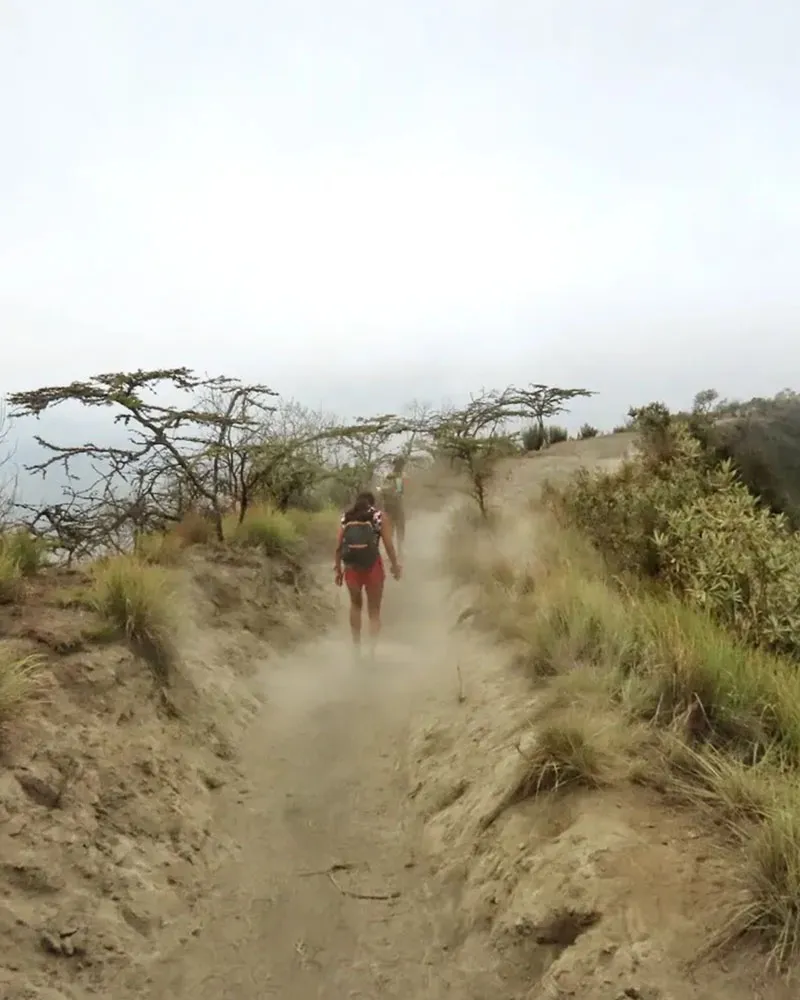
- Bandana/buff: Wind whips volcanic dust on the rim. A bandana over your mouth and nose is not optional, it is sanity-saving.
- Snacks: Energy bars, fruit, nuts. There are no food vendors inside the park.
- Light rain jacket: Afternoons can bring quick showers, especially during March and May.
- Trekking poles: Not essential but excellent for the steep descent. Available to rent from locals near the gate for a small fee.
- National ID / Passport: Required for citizen and resident rates. Do not forget this.
Note: Most people ask, are plastic water bottles really banned in Mount Longonot National Park? The answer is some are. Single-use plastic bottles are strictly not allowed and this is enforced at the gate. However, you can have a reusable bottle for your water.
Wildlife You May See on the Trail while hiking Mount Longonot
Mount Longonot is a national park first, hiking trail second. On the lower slopes, it is common to spot zebras, giraffes, elands, Grant’s gazelles, and bushbucks grazing among the acacias. When you look up, the thermal currents off the volcano attract magnificent soaring birds including Verreaux’s Eagles, Augur Buzzards, and various vultures.
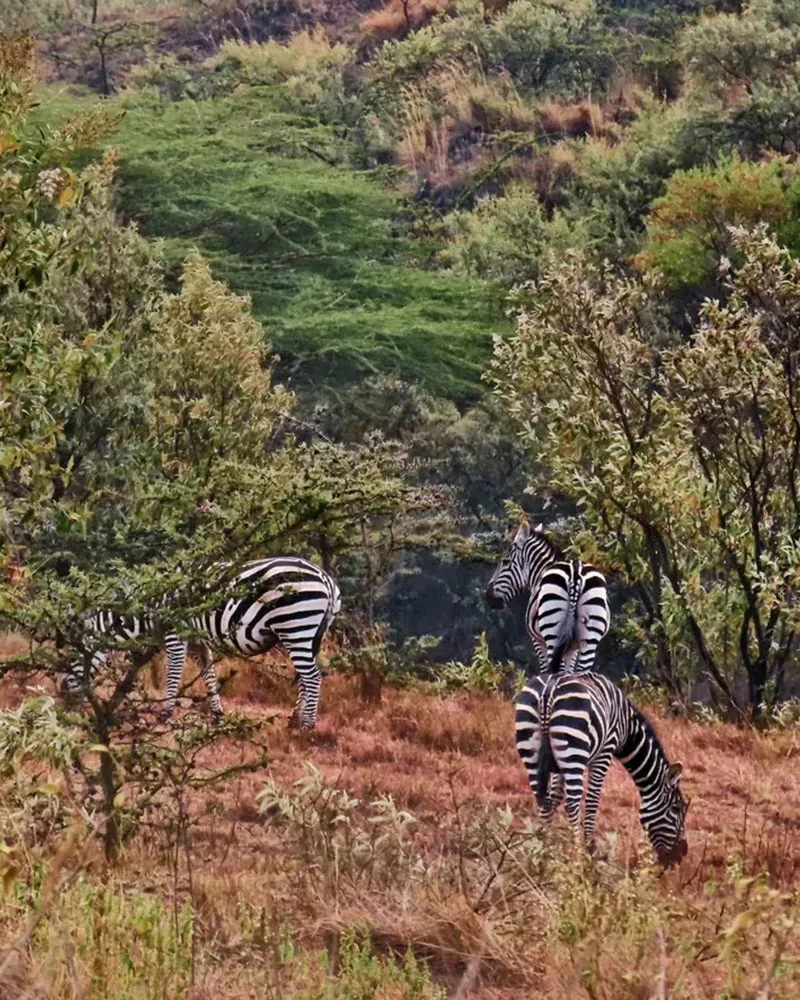
Buffalo and leopard do live inside the crater forest. While you won’t enter the crater, you may spot their tracks near the rim. Keep your distance from any wildlife and do not approach baboons.
Best Time to Hike Mount Longonot
Mount Longonot is hikeable year-round, but the dry seasons give you the best experience:
- January – February: Short dry season. Clear skies, good trail conditions, excellent photography light.
- June – October: Long dry season. Peak hiking season with the best visibility across the Rift Valley.
- Rainy seasons (March – May, November): Trails become muddy and slippery. Possible but messier – pack waterproof boots.
Regardless of season, start hiking by 6:30 – 7:30 AM. The steep sections should be done in cool morning shade. By 10 AM the volcanic ash radiates heat and the sun is relentless. Weekdays are less crowded than weekends.
Where to Stay Near Mount Longonot
There is no accommodation inside the park beyond basic KWS camping (KES 500/person/night) near the gate.
Most hikers base themselves in Naivasha town (20 – 30 minutes away) or along Moi South Lake Road, which has a wide range of options from budget guesthouses to lakeside lodges. Many visitors make a same-day return from Nairobi.
So, if you are looking for where to stay near Mount Longonot, your best option is in Naivasha. We have a selection of hotels that you can have a look at and choose from here.
Combine Your Trip – Make a Full Naivasha Weekend
Mount Longonot pairs beautifully with the wider things to do in Naivasha area. Consider combining:
- Hell’s Gate National Park: Cycling, rock climbing, and gorge walks is just 15 minutes away. An ideal second-day activity.
- Lake Naivasha boat trip: A peaceful sunset cruise to see hippos and hundreds of bird species.
- Crescent Island: A short guided walk among giraffe, zebra, and wildebeest with no fences, just open walking with wildlife.
Link: See our complete guide to a Naivasha weekend itinerary for families/ Read our Hell’s Gate cycling guide.
Frequently Asked Questions (FAQ)
How difficult is the Mount Longonot hike?
The hike is rated moderate to challenging. The climb to the rim is steep and continuous, but requires no technical skills. Average-fitness adults can complete it comfortably. The full crater rim loop adds significant distance and elevation change, allow 5 – 7 hours total.
How many km is the Mount Longonot hike?
When hiking to mount Longonot, to the rim and back is 6.2 km. The full circuit including the crater rim loop is 13.5 km. Elevation gain from the gate to the rim is approximately 630 metres.
What is the Mount Longonot entrance fee in 2026?
As of October 2025, Kenyan citizens pay KES 500 and international visitors pay USD 50. Payment is cashless via KWSPay on eCitizen. See the full fee table above.
Is a guide compulsory at Mount Longonot?
No, a guide is not mandatory, the trail is clearly marked. However, one is strongly recommended for first-timers, solo hikers, or families. Guides are available at the gate at KES 2,500 – 4,000 for the group.
Can I hike Mount Longonot with kids?
Yes. Children aged eight and above can typically manage the climb to the rim. Ensure they have proper footwear, plenty of water, snacks, and sun protection. Start early and take frequent breaks. The full rim loop may be too long for younger children.
Are plastic bottles allowed in the park?
Yes. Children aged eight and above can typically manage the climb to the rim. Ensure they have proper footwear, plenty of water, snacks, and sun protection. Start early and take frequent breaks. The full rim loop may be too long for younger children.
Are plastic bottles allowed in the park?
No. Single-use plastic bottles are banned inside Mount Longonot National Park. Bring a reusable water bottle, or purchase one at the gate for approximately KES 100.
Ready to Conquer Longonot? Here’s Your Action Plan
As you plan a weekend hike from Nairobi, here is a short plan.
- Pay your entry fee online at kwspay.ecitizen.go.ke before you travel.
- Set your alarm, aim to be at the gate by 6:30 AM.
- Pack 3 litres of water, snacks, sunscreen, and a reusable bottle.
- Lace up your best grip shoes and don’t skip the gazebo rest stop.
- Do the rim loop. You will absolutely not regret it.
Longonot leaves your legs tired, your boots dusty, and your heart fuller. It is not just a hike, it is a story you will be telling for years. Now go get yours.